Meeting of the Commission for Hilandar held at Hilandar Monastery

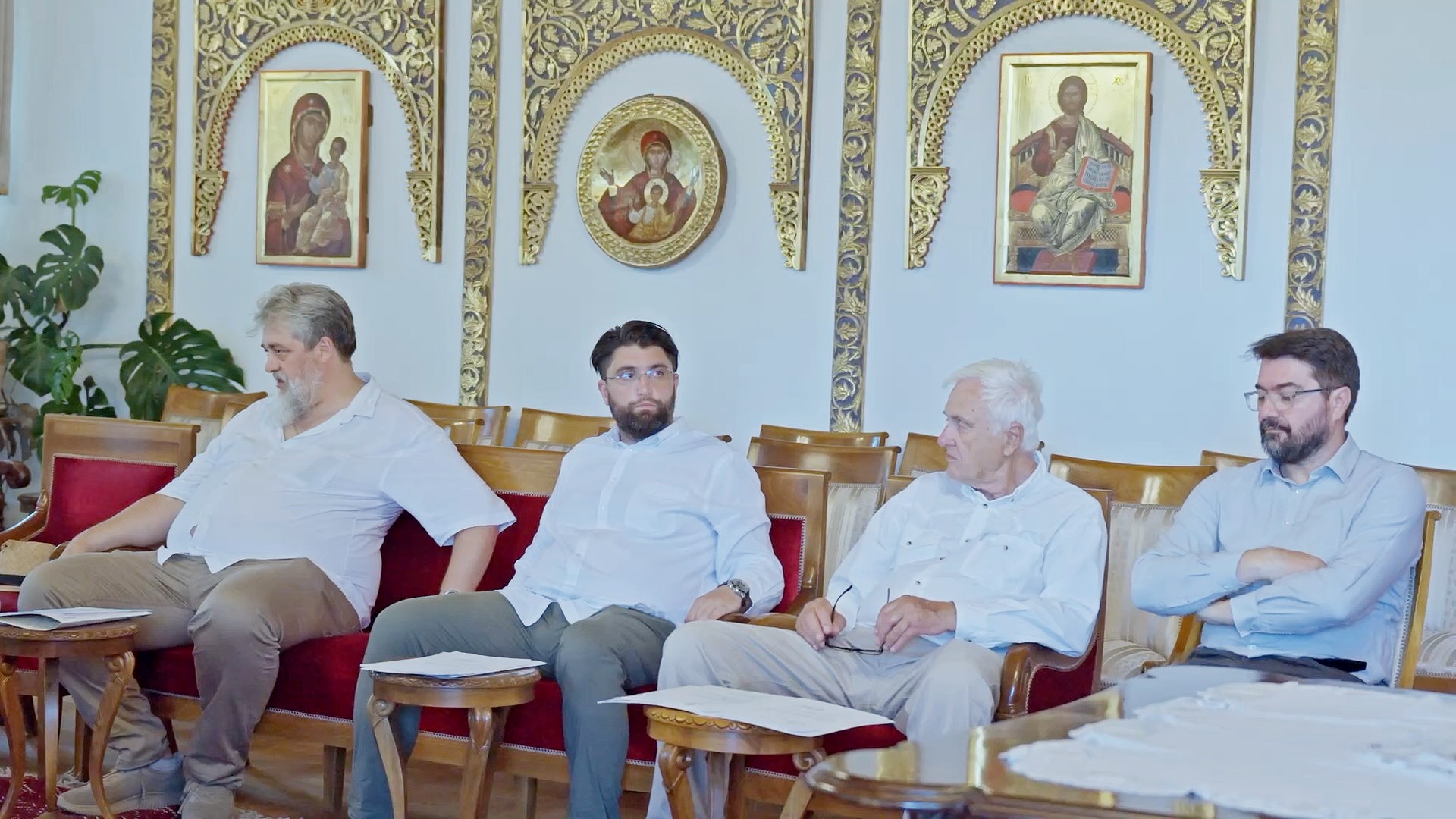
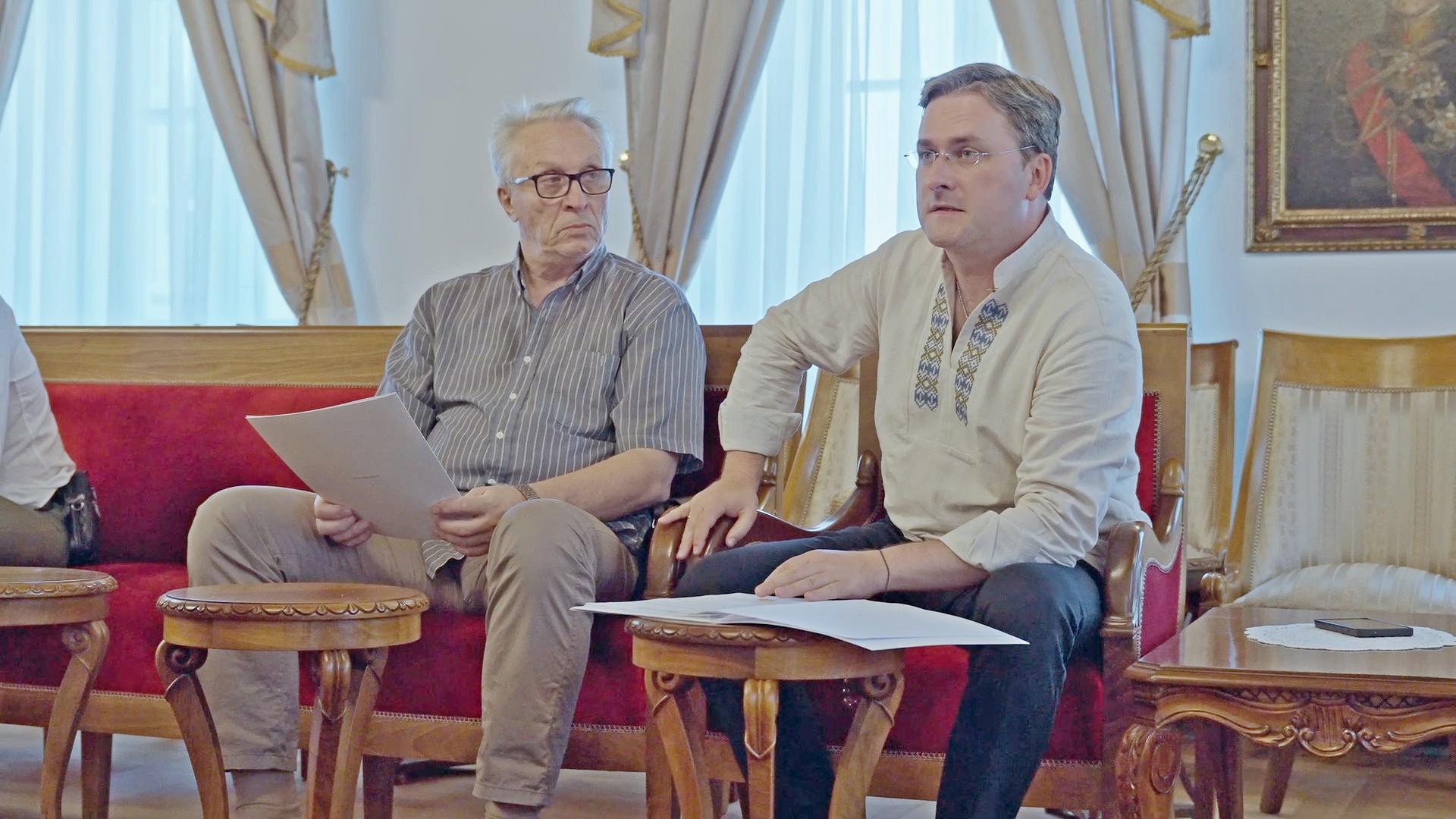
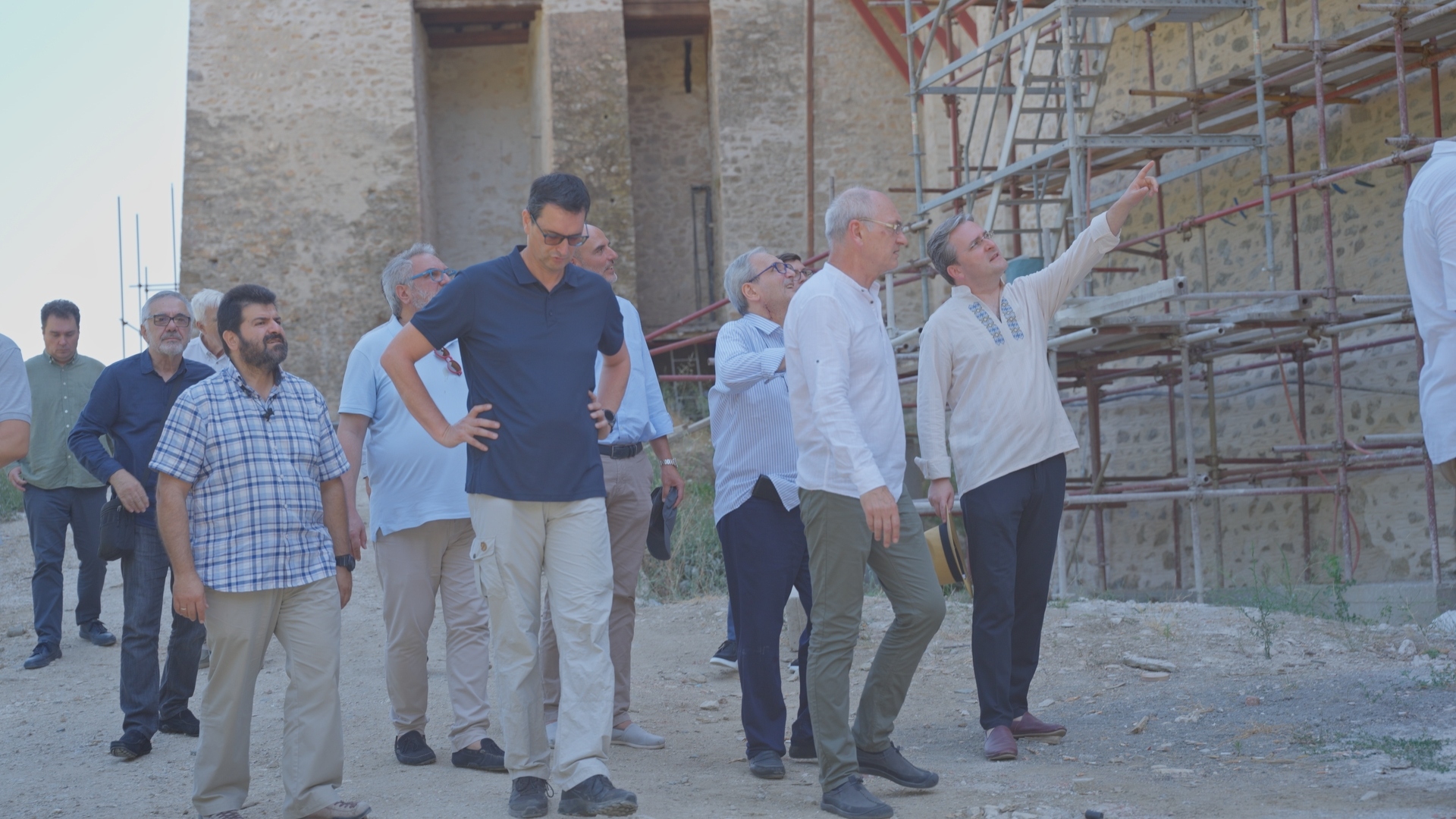
The second 2025 session of the Government of the Republic of Serbia’s Commission for Hilandar was held at Hilandar Monastery, chaired by Commission President and Minister of Culture, Nikola Selaković. On this occasion, Minister Selaković noted that the restoration of buildings damaged by the fire is nearly complete, and that the Government’s financial support for the monastery continues to increase each year.
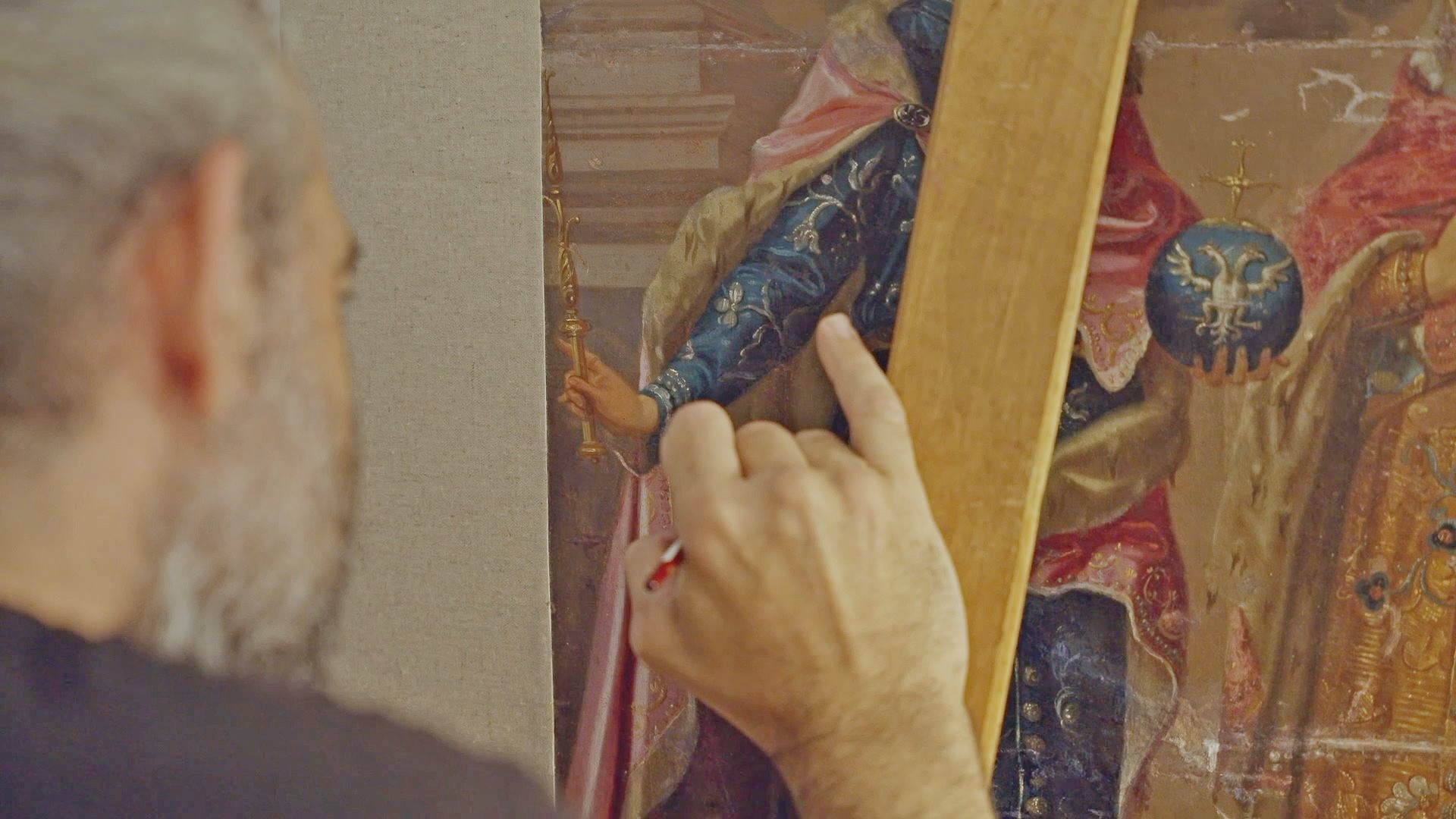
Minister Selaković emphasized that the next phase will involve smaller artisan tasks and artistic restoration work on the damaged chapels of Saint Sava and Saint Demetrios. As the reconstruction of the fire-damaged sections nears completion, new projects are planned for the coming year—specifically, development within the monastery’s economic zone and construction of the treasury.
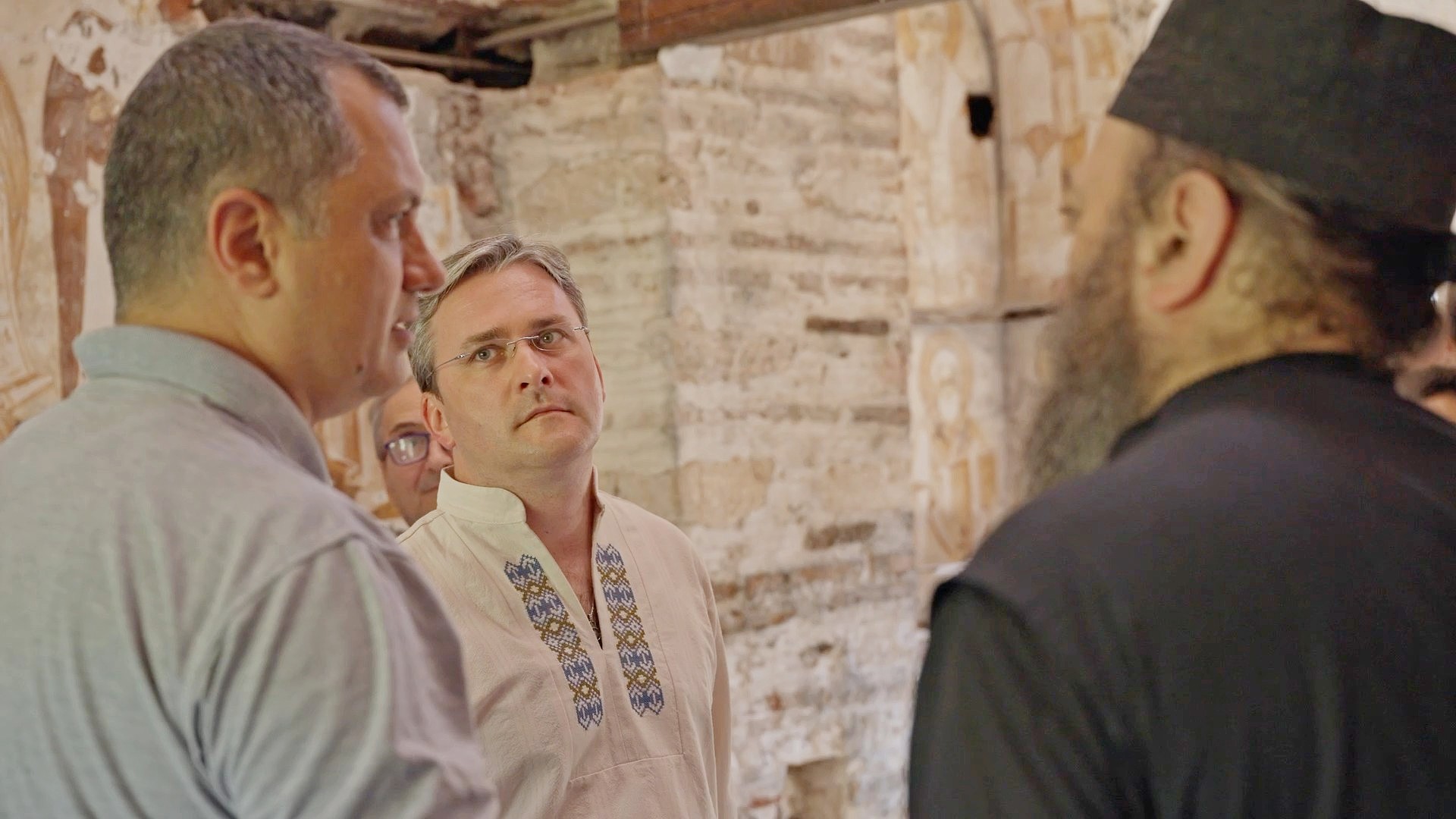
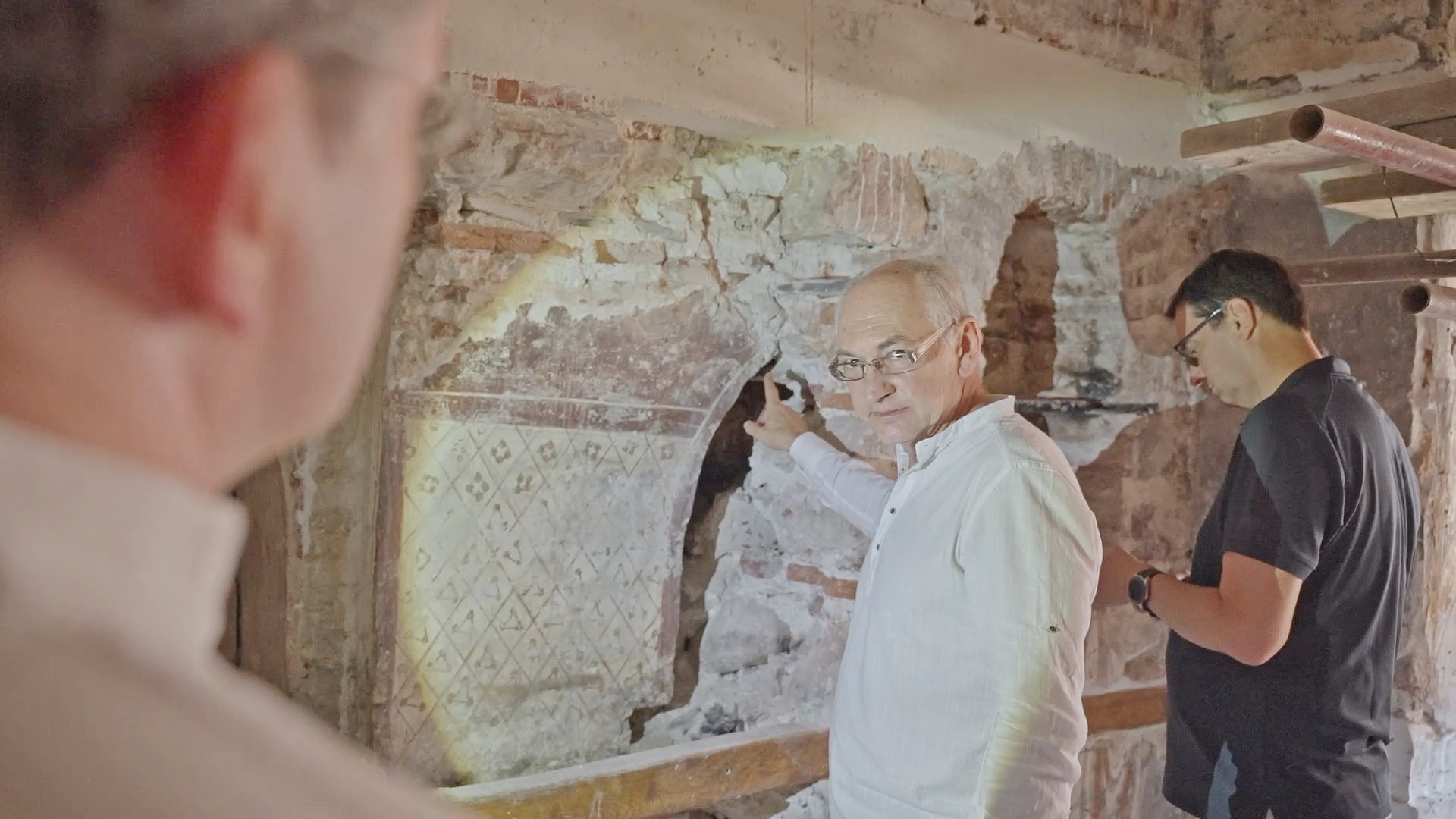
During their stay on Mount Athos, Commission members visited restoration works completed in the second half of 2024 and the first half of 2025 on the Dohija and Igumenarija buildings, both damaged in the 2004 fire. They also observed the full structural reinforcement of the foundation zone in the southwestern section of the monastery’s fortification wall and were briefed on the upcoming schedule of fresco conservation and restoration works.
“The restoration of the Dohija and Igumenarija buildings, which were severely damaged by the fire, is, we can almost say, fully completed this year. What remains are some minor artisan tasks and more complex artistic restorations of the chapels of Saint Sava and Saint Demetrios,” said Minister Selaković.
He noted that the restoration was conducted under difficult circumstances over the past year, as more than a thousand earthquakes affected Mount Athos and the surrounding region between June 2024 and July 2025.
“These seismic events impacted the timeline of certain planned works, but we can proudly say that all the tremors confirmed the exceptional quality of the construction and structural reinforcements completed in earlier phases,” Selaković added.
He further highlighted that, during the Commission’s session, the monastery was visited by a delegation from the Centre for the Preservation of Athonite Heritage (KEDAK), led by its director, Ilias Pertzinidis—President of the Executive Committee of the Technical Chamber of Greece (Section of Central Macedonia)—along with board member Prof. Dr. Konstantinos Katakalos of the Faculty of Engineering at Aristotle University of Thessaloniki. The delegation confirmed the high quality of the completed work and paid tribute to the monastery, the Foundation of the Holy Monastery Hilandar, and the Serbian craftsmen involved.
As part of its 2026 plans, the Commission dedicated special attention to key capital projects: the development of the monastery’s economic zone and the construction of a new monastery treasury.
“One project involves the comprehensive development of Hilandar Monastery’s economic zone, while the other—and most important—capital project is the new monastery treasury: a space that will protect, preserve, and present the rich cultural and sacred heritage of Hilandar,” said Selaković.
The Minister also emphasized the need for a strategic approach to professional training. “The session also included discussions on the need to develop long-term educational programs for experts in restoration and conservation—crucial for safeguarding the movable and immovable cultural heritage preserved for nearly 830 years by the Holy Imperial Serbian Lavra – Hilandar Monastery.”
Minister Selaković reminded attendees that, since the devastating fire in 2004, the Republic of Serbia has allocated a total of 2.117 billion dinars toward the restoration of Hilandar. In recent years, Government support has steadily increased, with 100 million dinars allocated in the current year alone.